
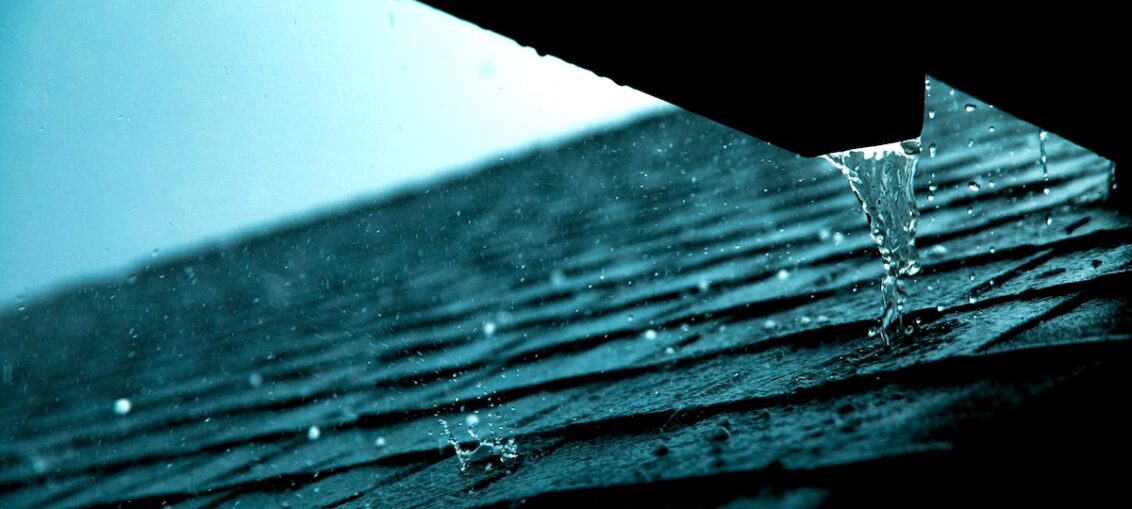
Preparing your home for mold remediation after roof leaks and water damage involves addressing the root cause, mitigating further damage, and ensuring a safe environment for remediation. Here are a few concise and actionable tips:
1. Stop the Leak
- Identify the Source: Inspect the roof for damaged shingles, flashing, or vents. Check attic spaces for water stains or pooling.
- Temporary Fixes: Cover damaged areas with tarps or waterproof sheeting to prevent further water intrusion until professional repairs are made.
- Hire a Professional: Engage a licensed roofer to assess and repair the leak promptly to avoid ongoing damage.
2. Contain Water Damage
- Remove Standing Water: Use buckets, mops, or a wet/dry vacuum to remove water from affected areas.
- Dry the Area: Deploy fans, dehumidifiers, and open windows (if weather permits) to dry out wet materials like carpets, drywall, or insulation within 24–48 hours to prevent mold growth.
- Remove Wet Items: Discard soaked materials (e.g., carpets, padding, or furniture) that cannot be thoroughly dried or cleaned.
3. Assess and Document Damage
- Inspect Affected Areas: Check walls, ceilings, floors, and belongings for water damage or early mold growth (black spots, musty odors).
- Take Photos/Videos: Document damage for insurance claims, including the leak source, affected areas, and damaged items.
- Contact Your Insurance: Notify your provider to understand coverage for water damage and mold remediation. File a claim if applicable.
4. Prepare for Mold Remediation
- Isolate Affected Areas: Seal off rooms with plastic sheeting and tape to prevent mold spores from spreading to unaffected areas. Close doors and cover vents.
- Remove Contaminated Materials: Dispose of porous materials (e.g., drywall, insulation, or ceiling tiles) showing mold growth, following local regulations for hazardous waste.
- Clean Non-Porous Surfaces: Wipe down hard surfaces (e.g., wood, metal) with a detergent solution to remove visible mold before remediation begins.
- Store Valuables: Move furniture, electronics, and personal items to a dry, unaffected area to protect them during remediation.
5. Ensure Safety
- Wear Protective Gear: Use gloves, masks (N95 or higher), and goggles when handling water-damaged or moldy materials to avoid health risks.
- Turn Off HVAC Systems: Prevent mold spores from circulating through air ducts by shutting off heating or cooling systems in affected areas.
- Ventilate Safely: Avoid using fans in moldy areas until remediation starts, as they can spread spores.
6. Hire Professionals
- Choose Certified Mold Removal Experts: Select IICRC-certified or similar mold remediation professionals who follow EPA or industry guidelines (e.g., HEPA vacuums, containment protocols).
- Verify Repairs: Ensure roof repairs are complete and the area is fully dry before remediation to avoid recurring mold issues.
- Request Post-Remediation Testing: After cleanup, have the area tested to confirm mold levels are safe.
7. Prevent Future Issues
- Maintain Your Roof: Schedule regular roof inspections and clean gutters to prevent clogs that lead to leaks.
- Improve Ventilation: Install attic vents or dehumidifiers to reduce moisture buildup.
- Monitor Indoor Humidity: Keep indoor humidity below 60% using dehumidifiers or air conditioners, especially in humid climates.
Additional Notes
- Act Quickly: Mold can grow within 24–48 hours of water exposure, so prioritize drying and remediation.
- Check Local Regulations: Some areas require permits or specific protocols for mold remediation and waste disposal.
- Insurance Tips: Review your policy for mold coverage limits, as some plans exclude mold unless caused by a covered peril like a sudden leak.
For more details on mold remediation processes, check out these mold resources or consult with a local professional mold remediation company. If you need help finding certified contractors or specific insurance advice, let me know your location or further details!